After WCW folded TNA rose up. Indeed, until AEW emerged nearly two decades later, TNA represented the closest thing WWE had to competition.
Related: 10 Wrestlers You Didn't Know Had A Match In TNA
While TNA has never truly threatened to overtake WWE as the most famous wrestling promotion in the world, much less put WWE out of business, the company has had its moments of getting the better of the larger company. From high profile signings, to making better use of talents and ideas, TNA has had some true successes. This article looks at five of the times when TNA outperformed WWE, as well as five times when WWE clearly trounced them.
10 WWE Beat TNA: The New Monday Night War
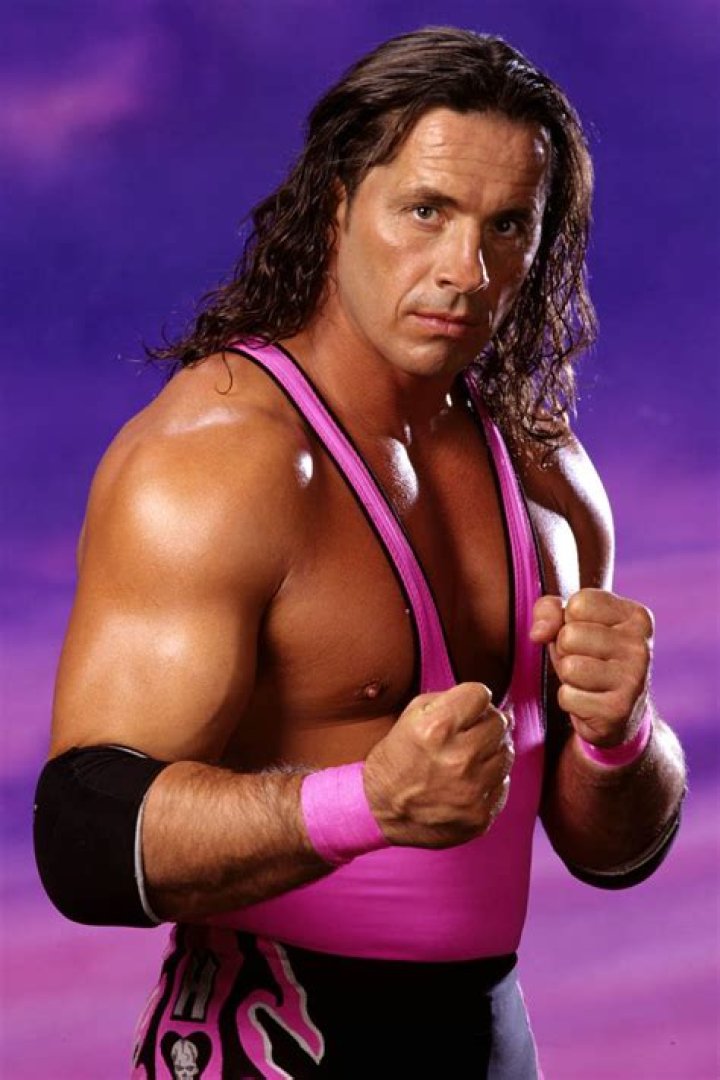
In January 2010, TNA did the unthinkable when it launched a new Monday Night War, moving its weekly Impact Wrestling television show directly opposite WWE’s Monday Night Raw.
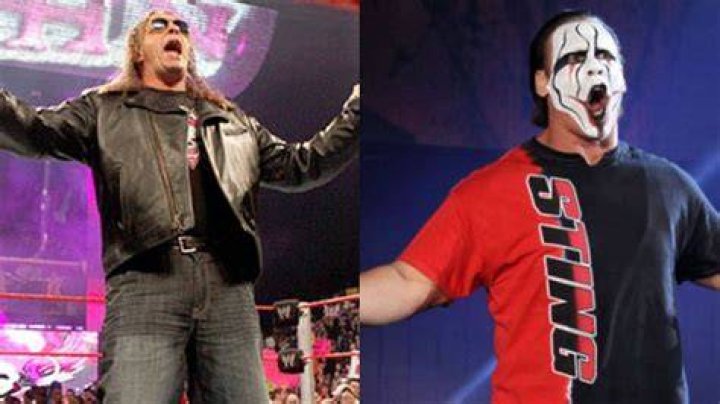
Eric Bischoff has discussed the move on his 83 Weeks podcast, suggesting TNA only meant to create buzz and greater awareness of their product, rather than actually competing. This is a rational explanation for the choice, as it was a stretch to believe TNA would win this war. Nonetheless, WWE pulled out the big guns to ensure that things never even looked competitive, including featuring the return of Bret Hart on the first night of the war—the first in a series of dominating Monday night ratings performances.
9 TNA Beat WWE: Securing Sting
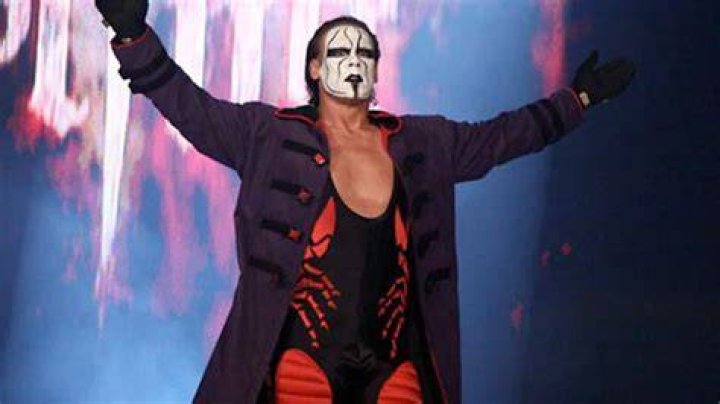
After WWE bought out WCW, it took time to sign other major names, including Scott Steiner, Ric Flair, and Hulk Hogan who waited out big money contracts with Time Warner. WWE did get its hands on most top-level stars over time, though. Sting was the exception. The Icon was one of the very few premium name talents who still had years left on his in-ring career, whom WWE wasn't able to bring in.
Related: Sting: 5 Of His Best Matches In WCW (& 5 Of His Best In TNA)
Sting instead became an anchor for TNA—the younger promotion’s most recognizable star and a key cog in securing TV deals and financial backing. Sting noted in an interview with JBL after he finally did sign with WWE that he was uncertain if he could trust WWE with his character. WWE’s loss was certainly TNA’s gain in this situation.
8 WWE Beat TNA: Seeing The Star In CM Punk
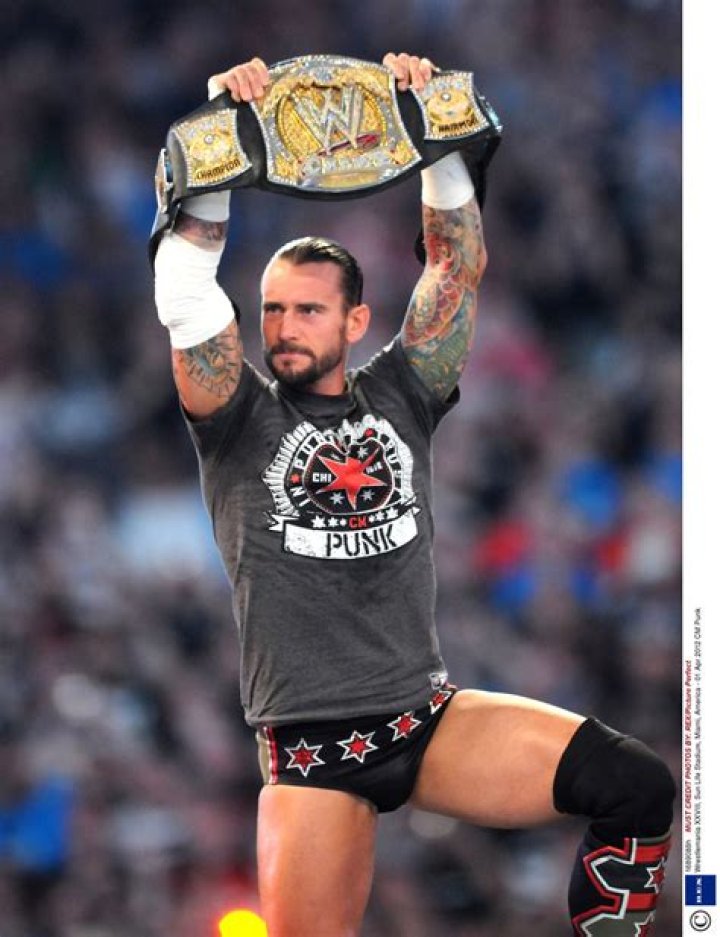
Looking back at the early days of TNA, fans can spot a young CM Punk working in a number of inauspicious roles. He was a member of Raven’s faction known as The Gathering, and a number of low profile matches.
While Punk has been critical of how WWE used him, he didn’t get any more of an opportunity in TNA. Indeed, his run with the company ended as quietly as it had begun—totally forgettable in a way that suggests the company didn’t see anything in the Straight Edge Superstar, who would go on to become a five-time world champ in WWE.
7 TNA Beat WWE: Making Bully Ray A Main Eventer
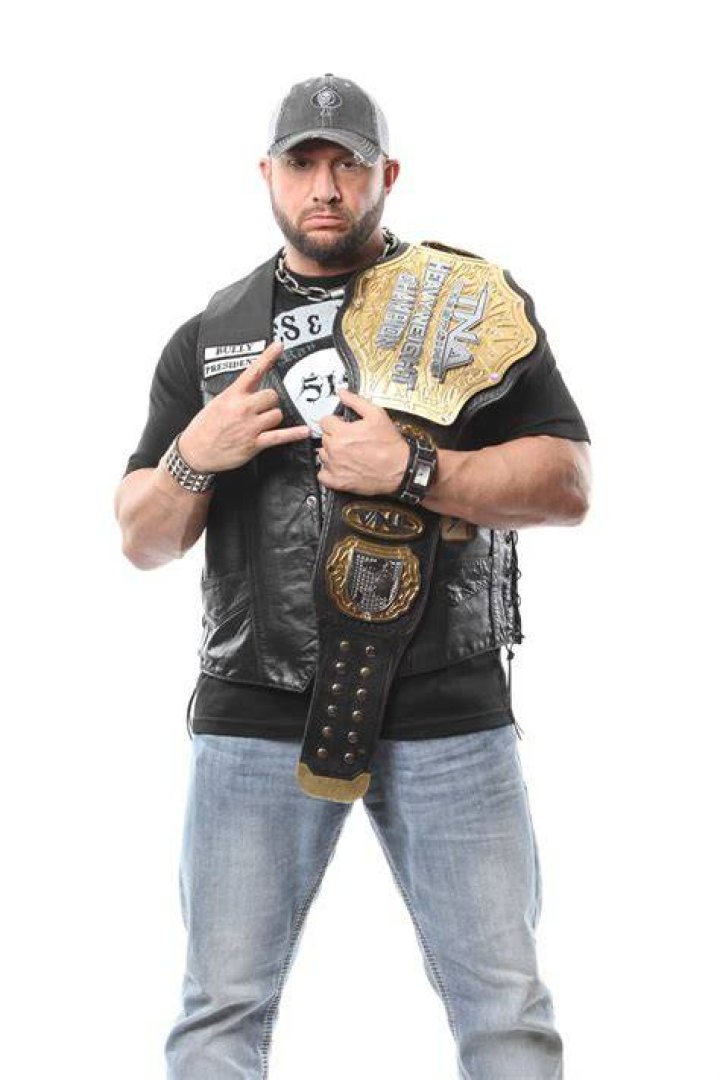
As Bubba Ray Dudley, Bully Ray enjoyed a lengthy WWE tenure, most notably tag-teaming with his kayfabe brother D-Von. The Dudleys were a key part of the company’s tag division through the Attitude Era and for years to follow, racking up title reigns and even getting the occasional main event appearance.
Bully wasn’t a proper main event guy on his own until he peaked in TNA, though. He rose through the ranks as a face, allied with Hulk Hogan against the new Aces & Eights faction. From there, he got to the next level with a heel turn, leading the stable, en route to a reign as world champion. Critics may suggest Bully was a big fish in a small pond, but there’s little question he realized his potential in TNA that WWE never seemed to see in him.
6 WWE Beat TNA: Making The Most Of AJ Styles
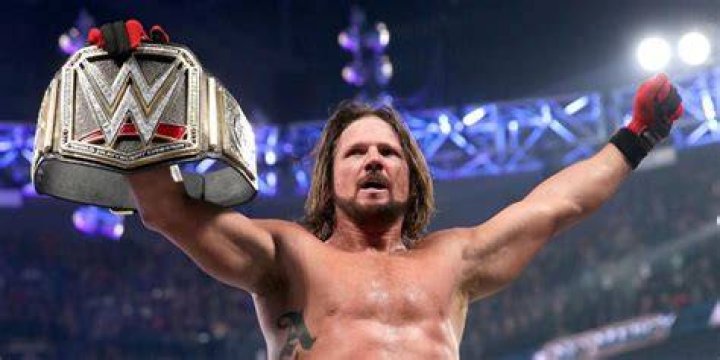
AJ Styles was a foundational star for TNA. He racked up title reigns and it’s fair to say that the two sides enjoyed a symbiotic relationship. Styles put on some of the best matches in TNA history and helped the company shake the stigma of not making its own stars. TNA offered a platform where the young talent who hadn’t proven himself elsewhere could work at the top of the card.
WWE got the better of working with Styles, though, when he finally did sign with them in 2016. He made an immediate impact with a surprise debut at the Royal Rumble. Styles then had an excellent program with Chris Jericho, before going on to become a two-time WWE Champion, with his last reign surpassing a year. Ultimately, Styles is a case of someone who succeeded in TNA but went on to even bigger and better things in WWE.
5 TNA Beat WWE: Seeing The Potential In Christian
Some TNA critics suggest the company relies too heavily on featuring guys who made their name in other companies and who were cast off by WWE. Christian represented an alternative, though. Feeling that he was under-appreciated in WWE, he rolled the dice on choosing not to re-sign with the company in 2005 and instead head to TNA.
Captain Charisma proved himself on the top of the card as a legitimate main eventer there—a case in which TNA seemed to bet on the right guy over WWE’s judgment and truly elevate a fresh top tier star. As if to confirm that TNA and Christian were right, he returned to WWE afterward for a late-career run that included winning the ECW and World Heavyweight Championships.
4 WWE Beat TNA: The NXT Brand
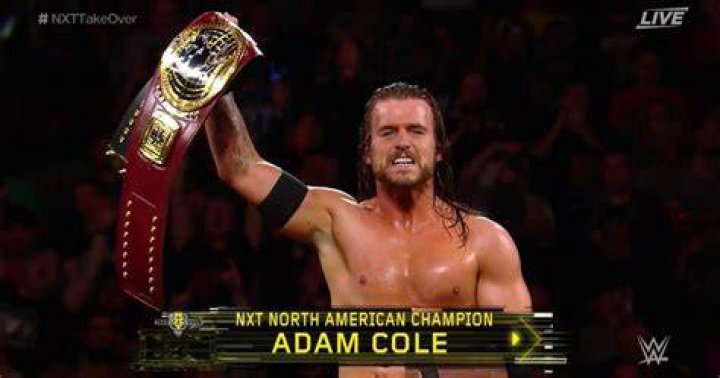
Particularly in the early years of the company, one of TNA’s key claims to fame was the quality, innovation, and fast pace of their in-ring action. While critics could say WWE was too consumed with pushing muscle-bound superheroes, TNA’s X-Division and Knockouts Division in particular highlighted excellent wrestling.
As years went on, TNA morphed to put less priority on high spots or technical wrestling, and more emphasis on storylines and big names. WWE launched NXT. Within a year of the developmental brand airing on the WWE Network, they had more than filled the role of offering hardcore fans and fans invested in seeing younger talents a product geared toward their interests.
3 TNA Beat WWE: Bringing In Kurt Angle
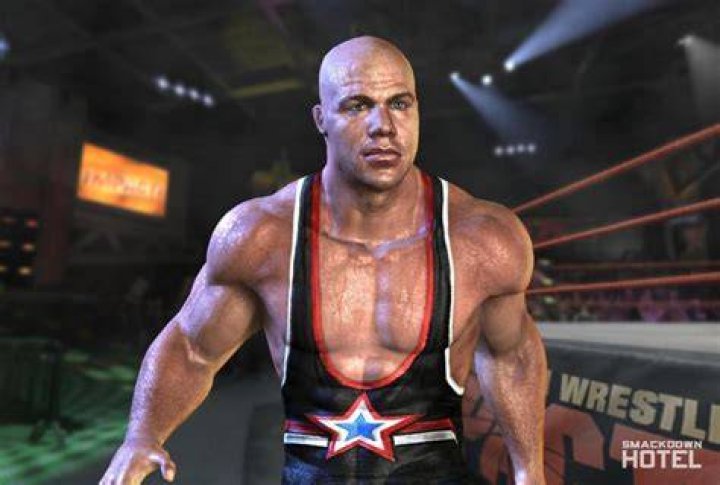
One of the reasons TNA has largely struggled to compete with WWE has been a difficulty signing top talents without the money or exposure WWE can offer. However, in 2006, the unthinkable happened. Kurt Angle—arguably the best all-around wrestling performer in the world—signed with TNA.
Related: Kurt Angle: Every TNA Championship Reign, Ranked From Worst To Best
Angle struggled with personal issues that he has discussed on Steve Austin’s Broken Skull Sessions and elsewhere. McMahon offered to send Angle to rehab, but Angle wasn't ready for that. The Olympic Gold Medalist rejected WWE's proposition and took less money and less of a spotlight to work with TNA instead. Against the odds, Angle thrived in TNA and elevated the company’s profile in the process.
2 WWE Beat TNA: The Producer & Agent Staff
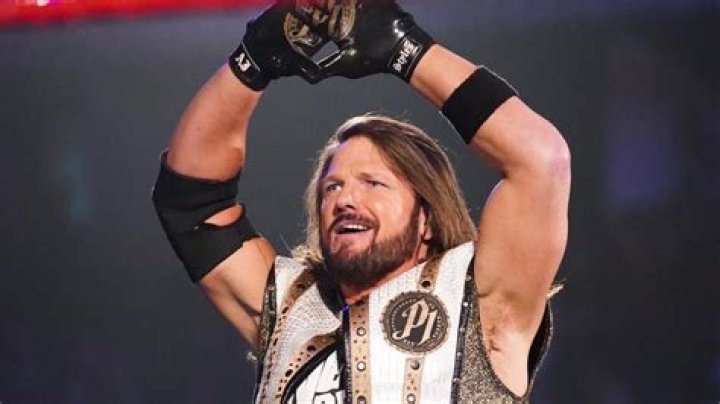
Despite TNA never really threatening WWE, they did have some talents who appeared in high profile spots for their brand and didn’t make their way over to WWE. Jeff Jarrett and Abyss are both on that list of stars.
It’s telling that, as both Jarrett and Abyss transitioned out of wrestling full time, WWE was able to hire them for backstage roles, helping younger talents with their characters and in putting matches together. The money and perks associated with WWE employment allow them to lure in top wrestling minds to tap into their wisdom behind the scenes.
1 TNA Beat WWE: Use Of Gail Kim
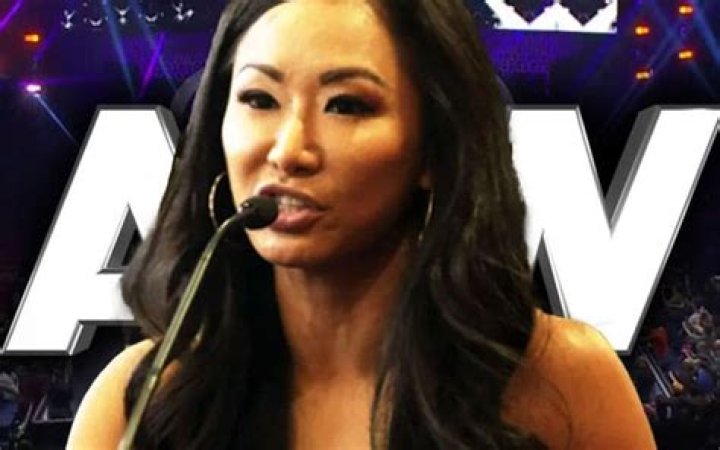
WWE has notably pushed women’s wrestling over the last five years, offering female talent more time on screen and opportunities to work higher profile matches. TNA was years ahead of WWE in this endeavor, though.
Gail Kim stands out as an example TNA doing a better job with its women’s roster sooner than WWE. She was a gifted in-ring talent who shined on Impact, especially opposite Awesome Kong’s monster heel character. Kim had had an underwhelming WWE run before she signed with TNA, and would return to WWE for a worse tenure after. She’s a prime example of someone TNA was much better at using than WWE.