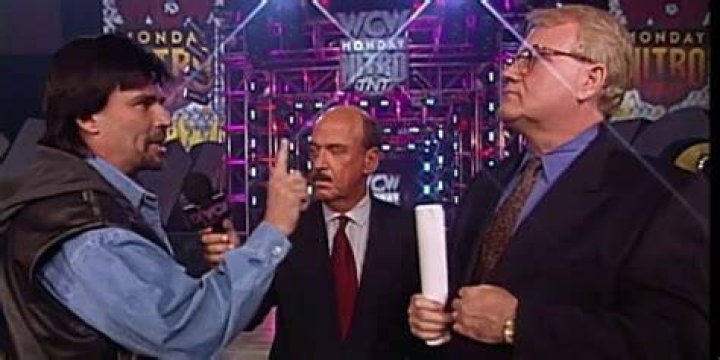
There are two, linked elements of J.J. Dillon’s career in professional wrestling that modern fans tend to remember best. First, he was the manager for early versions of The Four Horsemen, who was a quintessential part of the faction’s glory days. From there, while the work may have been less distinguished, he nonetheless registered in the consciousness of a large wrestling audience during the Monday Night War, when he was positioned as the kayfabe commissioner of WCW.
Related: 5 Best WCW Authority Figures Ever (& 5 Worst)This stretch saw him figure into the nWo angle in multiple ways, including a series of promos where he teased fans by offering a silent Crow Sting matches against any New World Order member he could think of—oblivious that, of course, The Icon wanted to get in the ring with Hollywood Hogan. In between these two periods on screen, Dillon spent years working as an executive for WWE.
J.J. Dillon Made His Name As A Manager
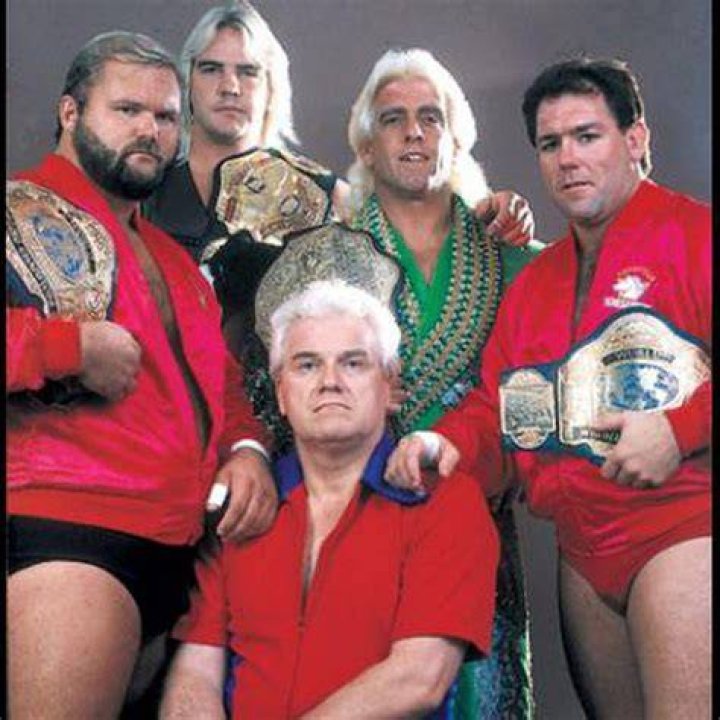
J.J. Dillon wore many hats in wrestling, including working as a referee and as a wrestler himself. According to CageMatch.net, his time in the ring most notably included him challenging Tito Santana for the WWE Intercontinental Championship. There’s little question Dillon really hit his stride, though, as a manager.
For as good as Dillon was in the manager role, there’s a case to be made he was in the right place at the right time to maximize his legacy. He found himself managing Tully Blanchard when The Four Horsemen first took shape, and by extension, Dillon became the manager most famously linked to the faction on the whole in the years to follow. He held his own on promos and offered a hand by way of outside interference in Horsemen matches.
Dillon may have best proven himself in upholding Bobby Heenan’s classic insight that the best managers managed like wrestlers (getting physically involved) and wrestled like managers (playing the cowardly heel any time they had to face the music). Dillon was the fifth man for The Horsemen War Games team in the original edition of the match at Great American Bash 1987, there largely to take the fall as the one guy in the cage who most clearly out of place and outmatched.
J.J. Dillon’s Role In WWE Management
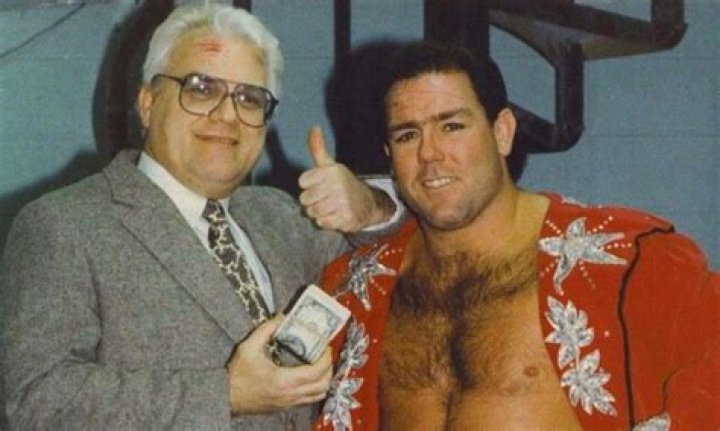
The role of Vice President of Talent Relations has become a high profile one for WWE with figures including Triple H, Jim Ross, John Laurinaitis, and Bruce Prichard filling it for varying degrees of time and to varying degrees of success. If the role seems a bit ambiguous in its responsibilities, that may be by design. Particularly under Vince McMahon’s leadership, all indications were that the head Talent Relations had responsibilities connected to signing talent, negotiating contracts, doling out consequences for poor behavior, and otherwise acting as a liaison between wrestlers and WWE executives. This work always came with the ceiling, however, that McMahon had to approve of their decisions.
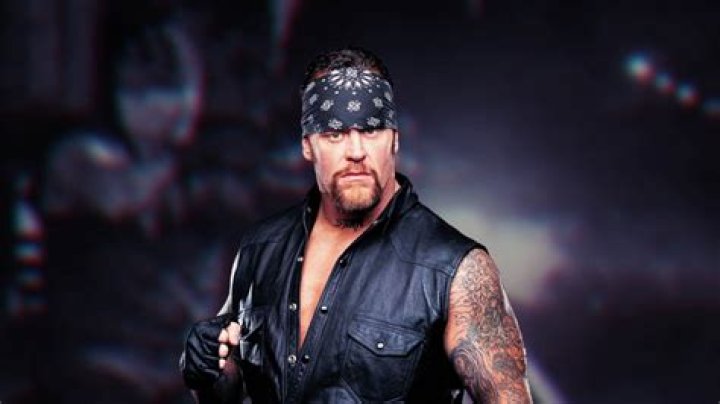
According to WWE.com, J.J. Dillon joined WWE in the capacity of VP of Talent Relations in 1989, and remained in this or other management roles for eight years to follow, at the recommendation of his former on-screen partner-in-crime, Tully Blanchard, during his own stint with the company. Dillon claimed responsibility for The Undertaker and Triple H being two of the major names who signed with WWE under his leadership. Dillon returned to the WCW fold as an on-screen talent in 1997 and retired from the business after WWE bought them out in 2001.
Perceptions Of J.J. Dillon
J.J. Dillon remains a popular figure among old school fans when they look back on the 1980s and 1990s, but opinions of him are a bit more variable within the business. In a podcast conversation with Mark Madden, Ric Flair spoke quite highly of Dillon as a utility player, willing to do whatever was asked of him, speaking particularly highly of his willingness to endure physical punishment at the hands of Road Warrior Hawk inside War Games.
Related: Everything You Need To Know About The War Games Match In WrestlingIn his interview with WWE.com, Dillon was critical of Eric Bischoff for working around him rather than tapping into his knowledge base as a resource when he returned to WCW. Bischoff fired back at Dillon on his podcast (h/t Sportskeeda) referring to Dillon as “a parasite” who couldn’t claim any contributions of value to the wrestling business. Bischoff and Dillon did seem to bury the hatchet in 2021, though. According to Bischoff (h/t Wrestling Inc) they each readily put petty matters aside and connected well when they were able to catch up in person.
J.J. Dillon’s work under the WWE banner is particularly interesting for flying under the radar with him never becoming an on-screen character for the promotion, despite his several-year tenure being book ended by fairly prominent kayfabe roles in WCW. Still, for his longevity and the bevy of talent who entered WWE while he was there, Dillon’s efforts were surely worthy of some recognition.