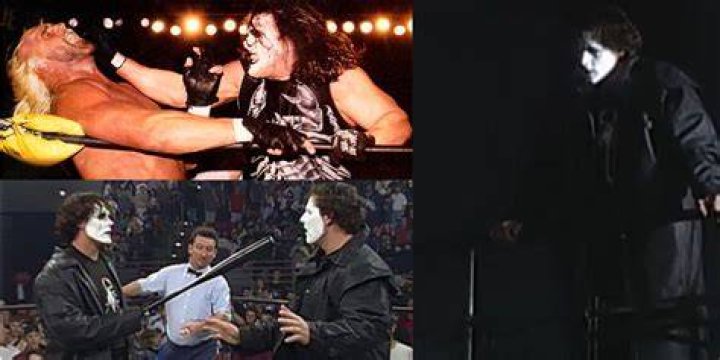
When wrestling fans think of Sting nowadays, they tend to picture a stern, serious figure, dressed and face-painted in an austere black and white color scheme. After all, that has been his look in AEW, and was his look for his WWE run. More often than not, that was how he presented himself in TNA, too. However, for The Icon’s time in WCW, it was only the back half or so of his tenure that he espoused this version of himself. Sting rose to main event status and had an entire Hall of Fame-worthy career in his “Surfer” persona, with bleach blond hair and neon colors among his signatures.
Related: 10 Things WCW Fans Should Know About Surfer StingHe had no baseball bat or Scorpion Death Drop to his name then. Indeed, it was the contrast between Sting before and after the New World Order invaded that elevated him from top star of the day to an all-time legend. His feud with Hollywood Hogan and the nWo was quite arguably the greatest story WCW ever told.
WCW Effectively Modernized And Improved On Two Of Its Biggest Stars
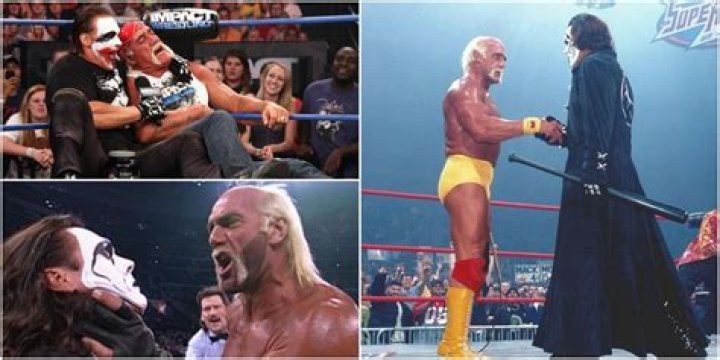
In Sting and Hulk Hogan, WCW had two of the biggest stars in wrestling at their disposal, and it seemed like only a matter of time before the two would have a major feud. It was a difficult pairing to book, though, as red-and-yellow babyface Hogan vs. Surfer Sting didn’t necessarily seem like it would set up a natural feud or great matches.
1996 and 1997 saw each of these men totally reinvent themselves. As Hollywood Hogan, the leader of the New World Order faction, The Hulkster dropped everything stale about his played-out babyface character to become an all-time great top heel. Meanwhile, Sting put aside his signature howl and his bright colors to become a silent figure who haunted the rafters with the promise he’d one day take down the nWo.
There Was Genuine Intrigue About What Sting Would Do
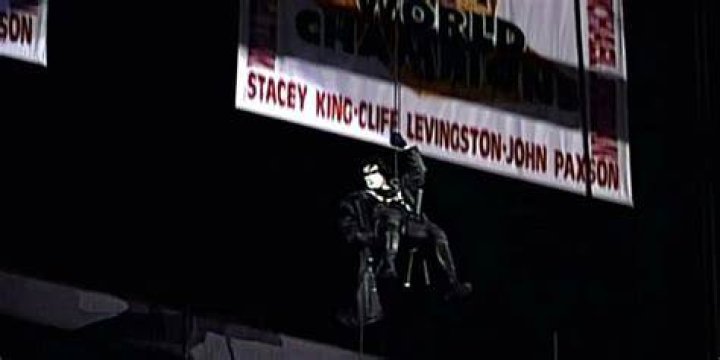
WCW pulled off a truly masterful moment in shades-of-gray booking at Fall Brawl 1996. Sting was a key part of the babyface team going into WarGames opposite the New World Order. However, the heels planted heavy suggestions The Icon had defected to join their ranks, prompting Sting’s teammates, Ric Flair, Arn Anderson, and Lex Luger to distrust him. Sting hadn’t actually turned, but was quite reasonably frustrated with his teammates for not believing in him—particularly because every single one of them had stabbed Sting in the back themselves before, whereas Sting had always been a loyal good guy.
Sting entered War Games last, laid waste to the heels, and then abandoned his face team to fall victim to a four-on-three numbers game, casting The Stinger brilliantly as a lone wolf who wasn’t overtly a heel, but also didn’t feel like a face. He didn’t speak a word on TV for over a year to follow, creating awesome intrigue about where he stood and what he’d do next.
WCW Demonstrated Incredible Patience In Storytelling
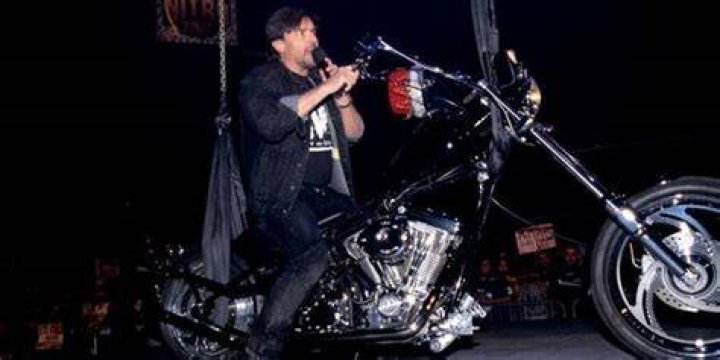
A key part of why the story of Sting vs. the nWo worked so well was the remarkable patience WCW showed with telling this story. The average angle would have seen Sting paying off this angle at Halloween Havoc the next month, or holding out a bit longer to Starrcade 1996. Instead, WCW held out for nearly a year and a half before Sting worked another televised match, main eventing Starrcade 1997 opposite Hollywood Hogan.
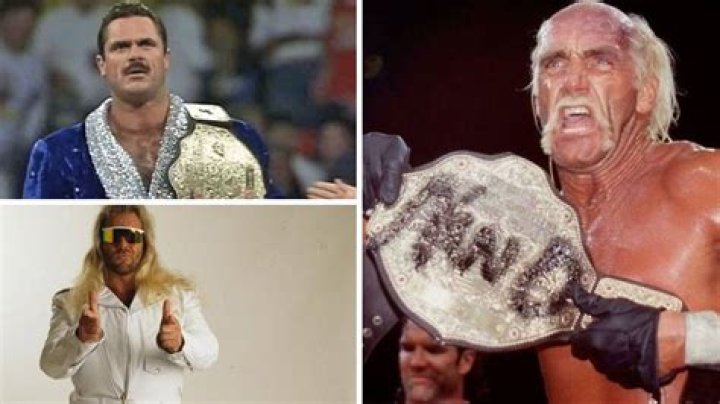
WCW benefited from having deep pockets and a deep talent pool to be able to justify keeping a marquee star like Sting out of the ring as long as they did. Talents like Randy Savage, Lex Luger, Roddy Piper, and The Giant kept Hogan occupied with credible challengers for the intervening stretch. Meanwhile, Sting became an attraction like he’d never been before as he loomed in the rafters, then started making occasional stops in the ring to decimate members of the nWo as his allegiances grew clearer, and he geared up to challenge Hogan himself.
Why Fans Don’t Give Sting Vs. The NWO The Credit It Deserves Now
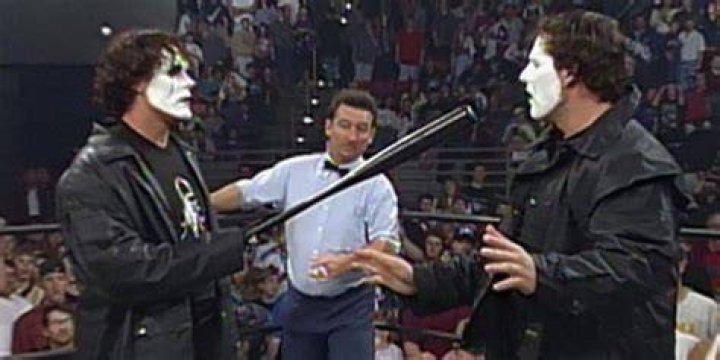
While memories of Sting vs. the nWo persist to this day, there’s a wide swathe of fans who tend to underrate this storyline now. The main reason is that the matches—and particularly the most famous encounter between Sting and Hollywood Hogan at Starrcade 1997 didn’t live up to the hype.
Related: 10 Years Later: Why Sting Vs. Hulk Hogan AT TNA Bound For Glory Was Actually Better Than Their WCW Starrcade MatchEric Bischoff has discussed what went wrong for Hogan vs. Sting at length on his 83 Weeks podcast(H/T Wrestling Inc.). Bischoff seems to place most of the blame on Sting, who had the opportunity of a lifetime but showed up out of shape and in a bad place mentally, such that Bischoff and Hogan couldn’t see putting him over cleanly as the new champion and face of the company. Whether fans accept that explanation, things nonetheless got messier with Hogan pinning Sting (whether Sting forgot to kick out, referee Nick Patrick forgot to conduct a fast count, or Hogan influenced one or both men to flub their parts). Bret Hart nonsensically restarted the match after that, setting up Sting to win, but with a lukewarm reaction after a mediocre match and confusing series of events at the end of the contest.
Despite the lackluster matches that capped Sting vs. the nWo, the angle that got WCW to Starrcade 1997 demonstrated brilliant shades of gray storytelling, with a real sense of patience. No wrestling company has quite been able to reproduce those results—despite a handful of clear attempts—and the angle deserves ongoing credit as one of the greatest feuds either man was ever involved with and a creative masterpiece.