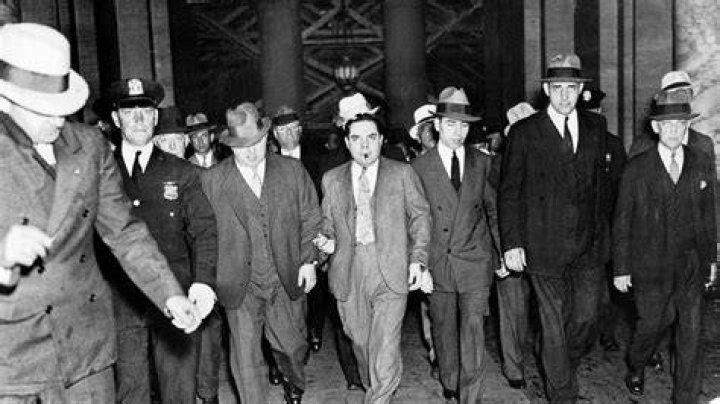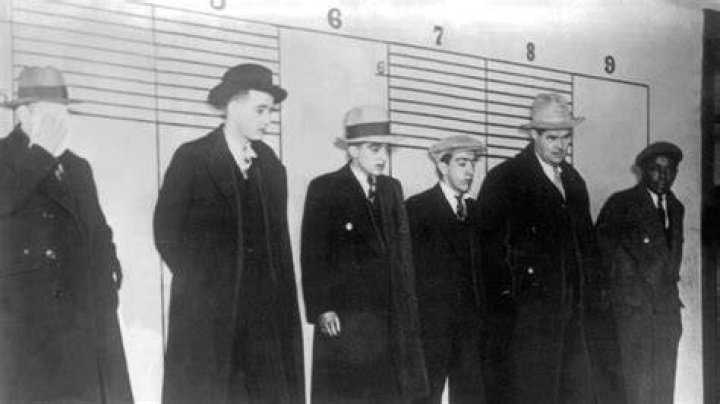
The term "mobsters" evokes a sense of intrigue and fascination, often associated with organized crime, power, and the underworld. This article delves into the complex lives of mobsters, exploring their history, influence, and the cultural impact they have had on society. Mobsters have been romanticized in films and literature, but their real-life stories are often darker and more complicated than fiction presents. In this comprehensive guide, we will uncover the truths behind these notorious figures and examine their roles within criminal organizations.
Throughout the years, mobsters have become synonymous with crime syndicates, primarily in the United States, but their reach extends globally. The allure of mobsters lies not only in their criminal activities but also in their codes of honor, loyalty, and the stark realities of their lives. Understanding the world of mobsters requires a closer look at their operations, significant figures, and the societal factors that contribute to their existence.
This article will cover various aspects of mobsters, including their historical roots, the hierarchy within organized crime, notable mobsters, and their portrayal in popular culture. By the end of this exploration, readers will gain a deeper understanding of mobsters and the impact they have had on society.
Table of Contents
1. The History of Mobsters
The origins of mobsters can be traced back to the late 19th and early 20th centuries when waves of immigrants arrived in the United States. Many of these immigrants faced discrimination and limited opportunities, leading them to seek alternative means of income. This environment fostered the growth of organized crime, as groups banded together for protection and profit.
One of the pivotal moments in mobster history was Prohibition, which lasted from 1920 to 1933. The outlawing of alcohol created a lucrative black market, leading to the rise of powerful crime syndicates. Mobsters like Al Capone became household names during this era, capitalizing on the demand for illegal alcohol and engaging in various criminal activities, including extortion and gambling.
The Rise of the Mafia
The Italian-American Mafia played a significant role in the evolution of organized crime in the United States. The structure of the Mafia, with its code of silence (omertà) and hierarchical organization, set the standard for other crime groups. This section will explore the emergence of the Mafia and its influence on mobster culture.
2. The Structure of Organized Crime
Organized crime operates under a strict hierarchy, often resembling a corporate structure. Understanding this hierarchy is essential to grasping how mobsters function within their organizations.
- Boss: The ultimate leader who makes final decisions.
- Underboss: The second-in-command, responsible for overseeing operations.
- Caporegime: A captain who manages a crew of soldiers.
- Soldier: The foot soldiers who carry out the orders.
- Associates: Non-members who work with the organization.
This structure allows for efficient operations, with each member aware of their role and responsibilities. Loyalty and secrecy are paramount, and betrayal often results in dire consequences.
3. Notable Mobsters Throughout History
Throughout history, several mobsters have left a significant mark on organized crime. This section will delve into the lives of some of the most infamous figures.
Al Capone
Al Capone, also known as "Scarface," is perhaps the most famous mobster in American history. His reign during the Prohibition era was marked by violence and corruption. Capone's ability to evade law enforcement and maintain a public persona as a businessman solidified his legacy.
John Gotti
John Gotti, known as "The Teflon Don," rose to prominence in the Gambino crime family during the 1980s. His flamboyant lifestyle and media presence made him a notorious figure in organized crime, ultimately leading to his downfall.
4. Mobsters in Popular Culture
The portrayal of mobsters in films and television has played a significant role in shaping public perception. Movies like "The Godfather" and television shows like "The Sopranos" have romanticized the lives of mobsters, often blurring the lines between reality and fiction.
While these portrayals can be entertaining, they often overlook the harsh realities of organized crime, including violence, betrayal, and the impact on communities. Understanding the distinction between fiction and reality is crucial when discussing mobsters in popular culture.
5. The Societal Impact of Mobsters
Mobsters have had a profound impact on society, influencing everything from law enforcement practices to public perception of crime. Their activities often lead to increased law enforcement efforts and changes in legislation.
The legacy of mobsters can also be seen in the communities they operated in, where their presence often fostered fear and mistrust. However, some argue that mobsters provided a form of protection and stability in communities plagued by poverty and crime.
6. Myths and Misconceptions about Mobsters
Many myths surround mobsters, often perpetuated by popular culture. Common misconceptions include the belief that all mobsters are wealthy and powerful or that they adhere strictly to a code of honor.
- Not all mobsters live lavish lifestyles.
- Many face legal consequences and violence.
- Not all organized crime groups follow the same rules.
It's essential to separate fact from fiction when discussing mobsters to gain a more accurate understanding of their lives and influence.
7. The Modern-Day Mobster
While the traditional image of the mobster has evolved, organized crime continues to exist in various forms. Modern-day mobsters may engage in cybercrime, drug trafficking, and human trafficking, adapting to new technologies and changing societal norms.
Law enforcement agencies have also adapted their strategies to combat organized crime, employing advanced techniques to dismantle criminal organizations. The fight against organized crime remains a significant challenge for authorities worldwide.
8. Conclusion
In conclusion, mobsters are complex figures whose lives and influence have shaped the course of history. From their historical roots to their portrayal in popular culture, understanding mobsters requires a nuanced perspective. As we have explored, their impact on society is multifaceted, encompassing both fear and a sense of belonging in some communities.
We encourage readers to share their thoughts on mobsters and their portrayal in society. Whether you have a personal story, a favorite mobster movie, or simply wish to discuss the topic further, we invite you to leave a comment below or share this article with your friends.
Thank you for exploring the fascinating world of mobsters with us. We hope to see you back for more insightful articles in the future!
Måneskin Drummer: The Heartbeat Of A Rock Sensation
Casey Coates: The Journey Of A Visionary Designer And Architect
Mbappe Transgender: Understanding The Impact And Community Responses