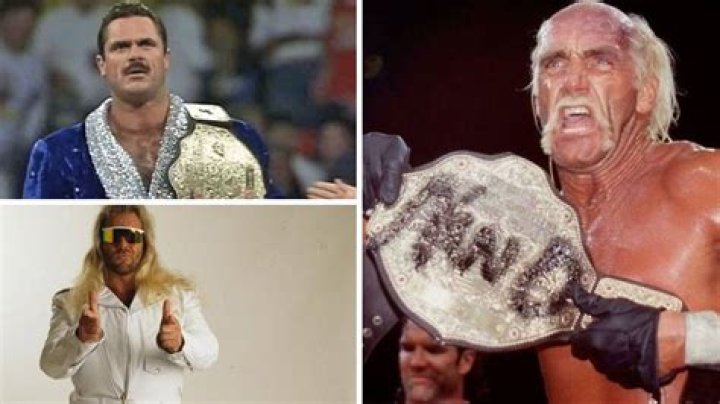
The New World Order angle was the genesis of the the 1990's wrestling boom and as soon as Hulk Hogan — the childhood hero of the masses — turned his route towards the dark side and joined the Outsiders, the stagnant industry of professional wrestling was flipped upside down and then hurled off its axis.
The momentum of the Monday Night Wars had been swaying back and forth between WCW and WWE but with the success of the angle, WCW was firmly in control. The Atlanta-based organization proceeded to run WWE over and from that point onward, the shadow of the high-profile faction loomed over WCW.
The smart folks at WCW ran the idea to the ground and below, with several incarnations of the stable emerging over the years in an effort to capture the magic of the original faction, but WCW died trying and nothing came close.
RELATED: Every nWo Leader, Ranked From Worst To Best
The continued efforts of WCW to shove the many versions of the faction down the throat of the fan base did more harm than good but as much as WCW marred the concept through the rest of its lifespan, the NWO program, at least initially, was a stroke of genius and the inkling of the said idea had roots in Japan.
Bischoff Frequently Visited Japan
Eric Bischoff, during the early and mid-90s, often studied the professional wrestling industry in Japan. During that time period, the business over in the United States was slack, with live event numbers dwindling but over in Japan, pro wrestling was floundering and the industry, in general, garnered respect from the fans, and as well the media.
The storylines were far more grounded in reality and resonated better with fans in comparison to the cartoonish programming in the United States but one angle, in particular, sparked the idea of NWO and that was the UWFi invading NJPW.
Union of Wrestling Forces International (UWFi) and its predecessors harbor a fascinating history but long story short, UWFi was the third reiteration of a brutal yet ambitious concept and the franchise star of the company was Nubohiko Takada.
The personnel within the organization preferred a very realistic style of wrestling, with bits of submission grappling and kickboxing mixed in to produce an overall savage but highly entertaining product. This was the shoot style of wrestling and the promotion enjoyed an aura of realism and authenticity as a result of the legitimate martial arts incorporated into the matches.
Sadly, the company ran into financial difficulties and as a last-ditch effort, the executives at UWFi reached over to NJPW and pitched the idea of a co-promotion and the booker at NJPW was Riki Choshu.
Choshu himself had history with UWFi and maintained some bitterness towards the people associated with the promotion. He accepted the offer of co-promotion but stipulated that he would control the booking of the matches.
Takada and a number of former NJPW wrestlers invaded the promotion and challenged the active roster to a series of matches to determine which style of wrestling; strong or shoot, was the best.
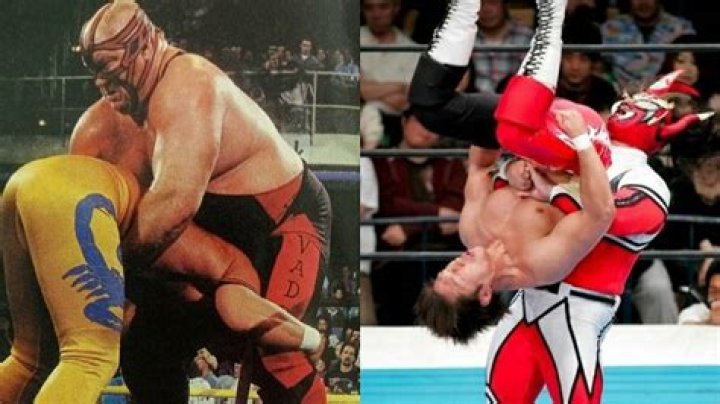
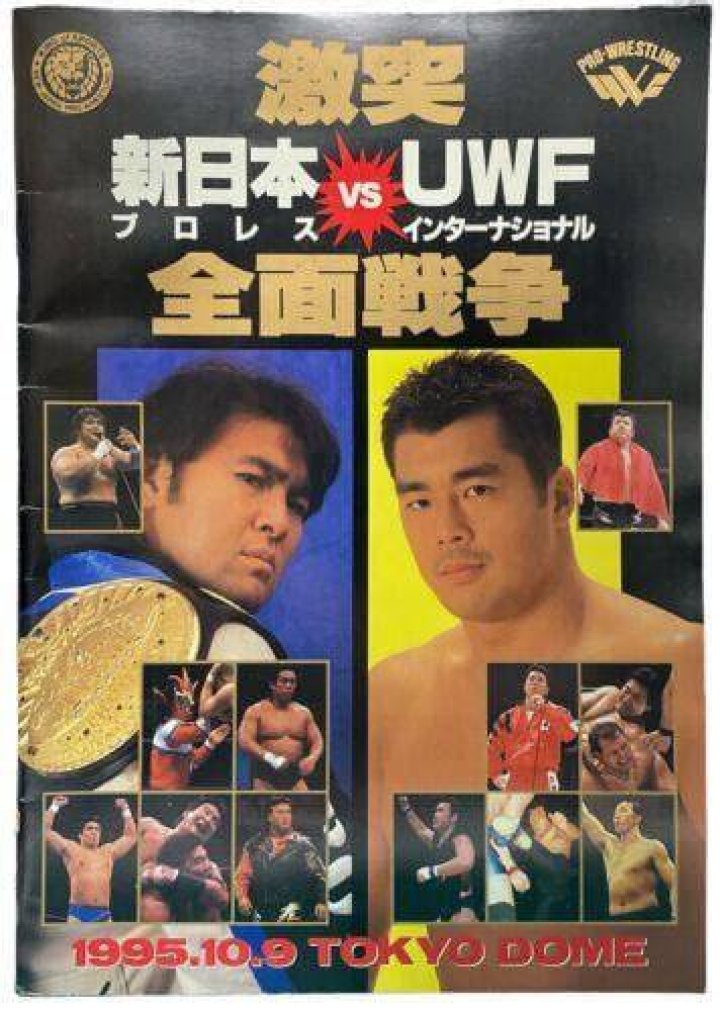
The rival promotions collided during October 1995 and the venue was Tokyo Dome. The super-card featured a number of excellent, cross-promotional matches such as Jushin Thunder Liger versus Naoki Sano, and Choshu against Yoji Anjo. Most importantly, the much anticipated main event saw Takada facing off against the IWGP Champion, Keiji Muto. Takada had lambasted the champion several times in the past but in the ensuring moments of the match, Takada was trapped in a figure-four leglock and Muto won the match due to submission.
RELATED: 10 Best Events In New Japan History
Choshu had a point to prove and while the UWFi won some cross-promotional matches, the strong style proved superior, especially with Takada losing to Muto in the headlining act. The event drew over 67,000 fans to the arena and with the amount of money being raked in, NJPW decided to continue the invasion angle.
Takada fought his way to a rematch against Muto and in a swerve, the invader from UWFi won the match by forcing Muto to submit to the heel hook, a legitimate submission move often practiced in the UWFi. Fans were left stunned. The invading force had captured the IWGP championship, with the belt of NJPW resting on Takada’s shoulders.
The Invasion Angle That Popularized The Trope
The finale took place in April of 1996 and UWFi suffered a final defeat at the hands of NJPW. Takada defended the IWGP world title against former champion, Shinya Hashimoto. The contest was highly entertaining; with Takada displaying his dominance in striking and grappling exchanges but Hashimoto hung in there, with the red-hot crowd exploding into cheers each time he delivered offense on Takada.
In the end, despite dropping Takada on his head by his finishing move, Hashimoto added insult to injury and locked in a triangle choke on the near motionless champion. Takaya held on for a brief moment but then tapped several times in rapid succession and the new champion finally released the hold, having dealt the finishing blow on the invading promotion.
This match, while short at only 13 minutes was labeled a dream match and an instant classic. This was the equivalent of Hulk Hogan versus the Rock for pro wrestling fans in Japan.
Amongst the 65,000 fans in the Dome sat Eric Bischoff. The president of WCW was in awe much like everyone else watching. Sometime later, Kevin Nash and Scott Hall ended up in WCW and Bischoff pulled the trigger. NWO then invaded WCW much like UWFi waged war against NJPW, as witnessed and enjoyed by Bischoff.